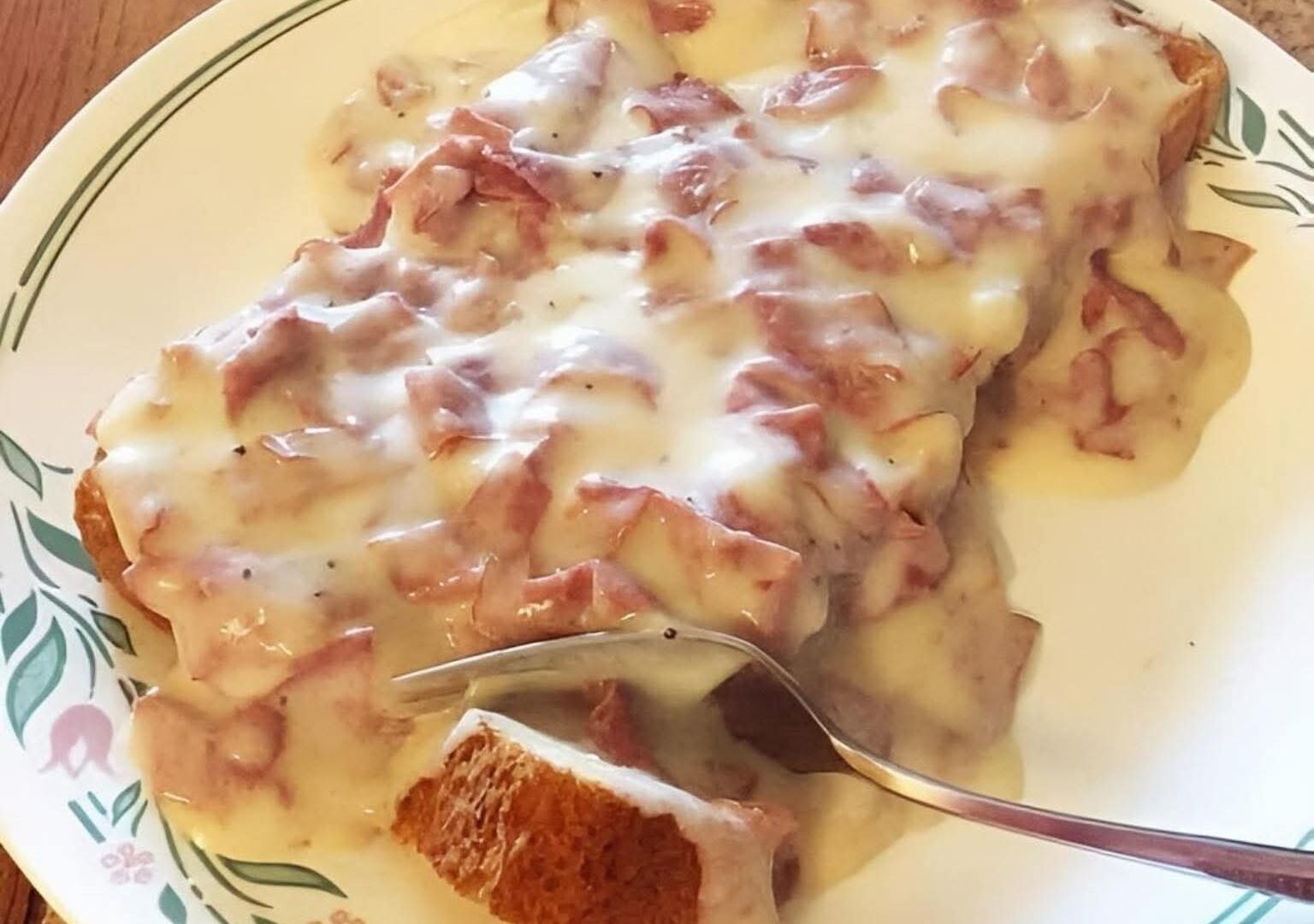
Nana’s Comfort Food: A Timeless Recipe Passed Down with Love
Introduction
This cherished recipe is more than just a dish—it’s a taste of history, a spoonful of nostalgia, and a direct link to the past. When your nana grew up eating this, it was likely a staple that represented resourcefulness, warmth, and the simple pleasure of home-cooked food. It might have been a humble dish, but its flavors are rich with memory. For those of us trying it for the first time, it’s a delightful discovery, a new favorite that connects generations. This guide will walk you through every step of recreating Nana’s magic in your own kitchen.
History & The Lovers of This Dish
This type of recipe—often a hearty, one-pot meal—has roots in mid-20th century home cooking. During times when ingredients were sometimes scarce, home cooks (like many nanas) mastered the art of creating deeply satisfying meals from pantry staples. It’s a dish born of economy and love.
Who are its lovers?
· Nostalgia Seekers: Anyone who grew up with it remembers the comfort it brought. · Home Cooks: It values technique and patience over fancy ingredients. · Modern Foodies: Those discovering it are often amazed by how simple, “un-trendy” food can be so profoundly delicious. · Comfort Food Connoisseurs: It’s the edible equivalent of a warm hug.
Ingredients
(Serves 6-8)
For the Main Dish:
· 2 tbsp vegetable oil or butter · 1 large onion, finely chopped · 3 cloves garlic, minced · 1.5 lbs (700g) stewing beef, chuck roast, or chicken thighs, cut into 1-inch cubes (or a mix for depth) · 4 cups beef or chicken broth (homemade if possible) · 4 large carrots, peeled and sliced into thick rounds · 3 medium potatoes, peeled and cubed · 2 stalks celery, chopped · 1 cup frozen peas · 2 tbsp tomato paste · 1 tbsp Worcestershire sauce · 2 bay leaves · Salt and freshly ground black pepper, to taste
Sear the Meat: Pat the meat dry and season generously with salt and pepper. In a large, heavy-bottomed pot or Dutch oven, heat the oil over medium-high heat. Brown the meat in batches, ensuring a deep brown crust forms on all sides. Remove and set aside.
Sauté the Aromatics: In the same pot, reduce heat to medium. Add the onion and cook until soft and translucent (5 mins). Add the garlic and cook for 1 minute until fragrant.
Deglaze and Combine: Stir in the tomato paste and cook for 1 minute. Pour in a splash of broth to deglaze the pot, scraping up all the flavorful browned bits from the bottom. This is where the depth of flavor is built.
Simmer: Return the meat to the pot. Add the remaining broth, Worcestershire sauce, bay leaves, carrots, potatoes, and celery. Bring to a boil, then reduce heat to a low, gentle simmer. Cover and cook for 1.5 to 2 hours, or until the meat is fork-tender.
Part 2: The Signature Topping (The Dumplings)
Prepare: About 30 minutes before the stew is done, make the dumpling dough. In a bowl, whisk together flour, baking powder, and salt.
Cut in Butter: Using a pastry cutter, your fingers, or two forks, cut the cold butter into the flour mixture until it resembles coarse crumbs.
Combine: Stir in the milk and optional parsley just until a soft, sticky dough forms. Do not overmix.
Finish the Stew: Once the meat is tender, remove the bay leaves. Stir in the frozen peas. Season the stew lavishly with salt and pepper.
Cook the Dumplings: Drop spoonfuls of the dumpling dough directly onto the surface of the simmering stew. Cover the pot tightly and let it simmer gently for 15-20 minutes. DO NOT PEEK—the steam is what cooks the dumplings. They are done when puffed up and a toothpick inserted in the center comes out clean.
Nutrition & Benefits
This dish is a balanced meal in a bowl:
· Protein & Iron: From the meat, essential for muscle repair and energy. · Complex Carbohydrates: From potatoes and dumplings, providing sustained energy. · Vitamins & Fiber: From carrots, peas, and celery (Vitamin A, C, K, and fiber for digestion and immunity). · Comfort & Connection: The psychological benefits of eating a nostalgic, hearty meal are real—it can reduce stress and promote a sense of well-being and belonging.
Note: It is a substantial meal. For a lighter version, increase the vegetable ratio and use leaner meat.
Conclusion
Recreating your nana’s recipe is an act of love and preservation. It’s not just about following instructions; it’s about slowing down, savoring the process, and filling your home with the same smells that once filled hers. This dish proves that the most memorable meals aren’t always the most complicated—they’re the ones made with care and shared with loved ones.
For the Lovers (Serving Suggestions)
· The Traditionalist (Like Nana): Serve it steaming hot in a wide bowl, as is. · The Modern Twist: Garnish with a sprinkle of fresh herbs (parsley, thyme, or chives) or a dash of hot sauce for brightness. · The Perfect Side: A simple green salad with a sharp vinaigrette cuts through the richness beautifully. · The Next-Day Fan: Like many stews, it tastes even better the next day as the flavors continue to meld.
Enjoy this taste of history. May it become a favorite in your home, just as it was in your nana’s. ❤️