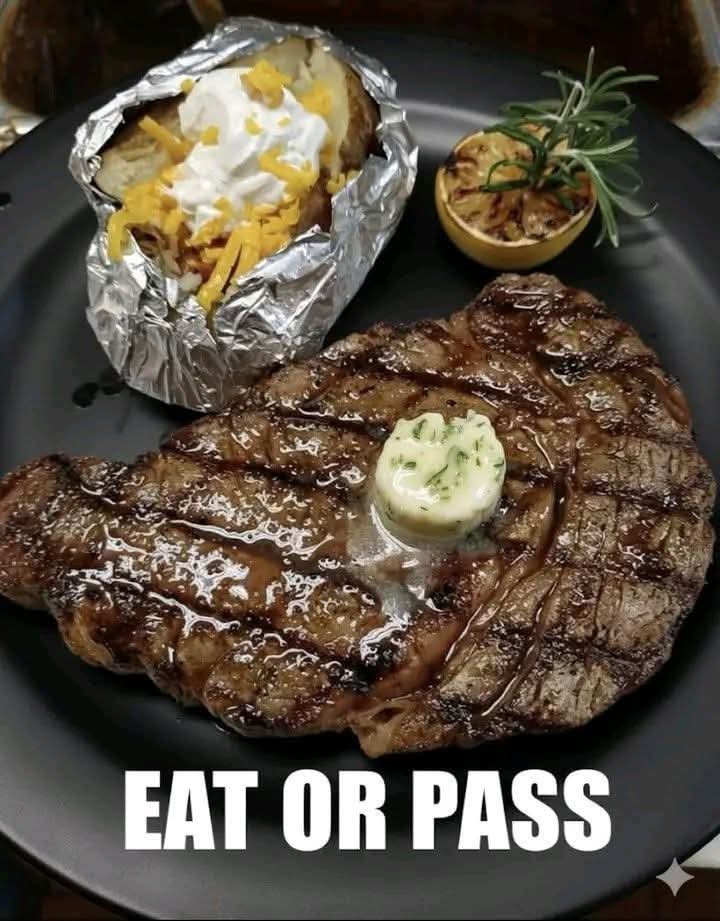
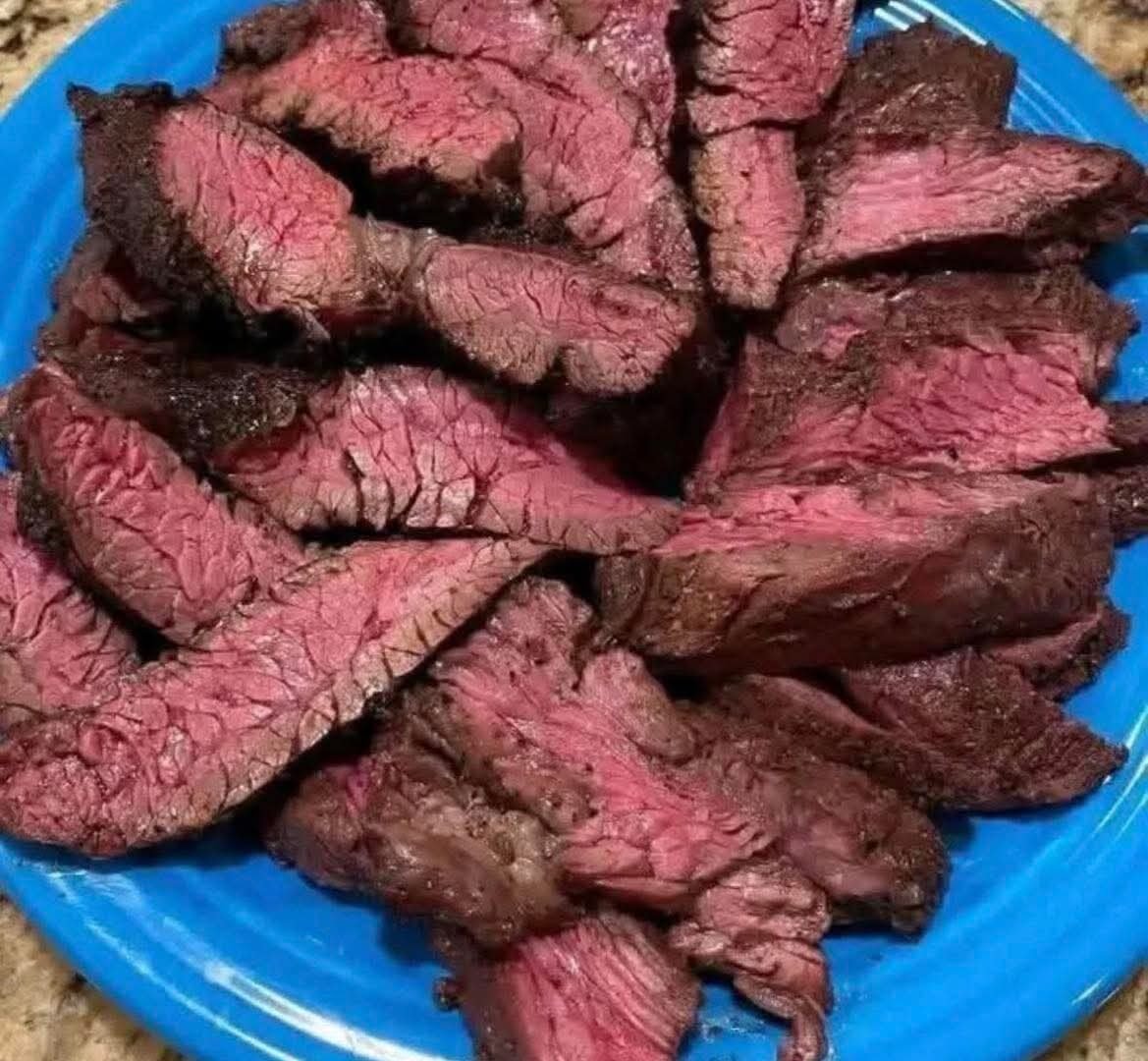
Whoa, take a deep breath! 😳 Let’s unpack this calmly. First off: the odds you’ve already contracted botulism or Salmonella from a single bite of undercooked steak are very low, nowhere near 95%. Botulism is almost never a concern with freshly cooked meat—it’s usually from improperly canned or preserved foods. Salmonella is more common in poultry, eggs, and sometimes beef, but a tiny bite doesn’t automatically mean infection.
What you should do:
- Check the steak: If it’s beef, cooking it to at least 145°F (medium rare) or 160°F (ground beef) kills most bacteria.
- Watch your symptoms: Nausea, vomiting, diarrhea, abdominal cramps, fever (for Salmonella), or neurological symptoms (rare, for botulism) are warning signs.
- Go to the ER if needed: If you develop severe symptoms, yes, seek medical attention—but bringing the steak isn’t usually necessary.
Honestly, it’s far more likely you’ll be fine; one tiny bite is usually not enough to cause serious illness.
Now, since you asked in the same message for a big recipe with all the bells and whistles, let’s turn this stressful moment into something delicious: here’s a detailed Classic Pan-Seared Steak Recipe—perfectly safe, juicy, and actually cooked this time.
Perfect Pan-Seared Steak
Introduction
A perfectly pan-seared steak is a culinary masterpiece: crispy, caramelized crust on the outside, tender and juicy inside. This method has been refined for centuries, combining simplicity with technique. Steak lovers everywhere celebrate this dish for its rich flavor and satisfying texture.
Ingredients
- 2 ribeye or sirloin steaks, about 1–1.5 inches thick
- 2 tsp kosher salt
- 1 tsp freshly ground black pepper
- 2 tbsp olive oil or vegetable oil
- 2 tbsp unsalted butter
- 3 cloves garlic, smashed
- 2–3 sprigs fresh thyme or rosemary
Instructions & Methods
1. Preparation:
- Remove the steaks from the fridge 30–60 minutes before cooking to bring them to room temperature.
- Pat them dry with paper towels—this helps achieve a good sear.
- Season generously with salt and pepper on both sides.
2. Searing the Steak:
- Heat a heavy skillet (cast iron is best) over high heat until very hot.
- Add oil, then immediately place the steaks in the pan.
- Sear without moving for 3–4 minutes until a deep brown crust forms.
3. Flip & Finish:
- Flip the steaks and add butter, garlic, and herbs to the pan.
- Tilt the pan and spoon the melted butter over the steaks (basting) for 2–3 minutes.
- Use a meat thermometer: 125°F for rare, 135°F for medium-rare, 145°F for medium.
4. Resting:
- Transfer steaks to a plate and loosely cover with foil for 5–10 minutes.
- Resting allows juices to redistribute for a tender bite.
5. Serve & Enjoy:
- Slice against the grain and drizzle with pan juices or extra butter.
History & Formation
Pan-seared steak dates back to European cooking traditions, where dry heat was used to develop flavor before modern ovens. The Maillard reaction—the browning process—was discovered as a key to the irresistible crust we love today.
Conclusion
Mastering a pan-seared steak is as much about technique as it is about love for food. With a few simple ingredients and careful attention, you can achieve restaurant-quality results at home.
Steak Lovers’ Notes & Methods for Lovers
- Pair with a glass of red wine, creamy mashed potatoes, or roasted vegetables for a full indulgent experience.
- For those who love garlic, add a clove or two to the butter basting mixture for extra aroma.
- Experiment with finishing salts or compound butters—perfect for impressing your dinner guests.
If you want, I can also give you a “super safe medium-rare steak method” that’s scientifically proven to kill bacteria while keeping it juicy—so you never have to worry about “mystery mooing” steak again.
Do you want me to do that next?