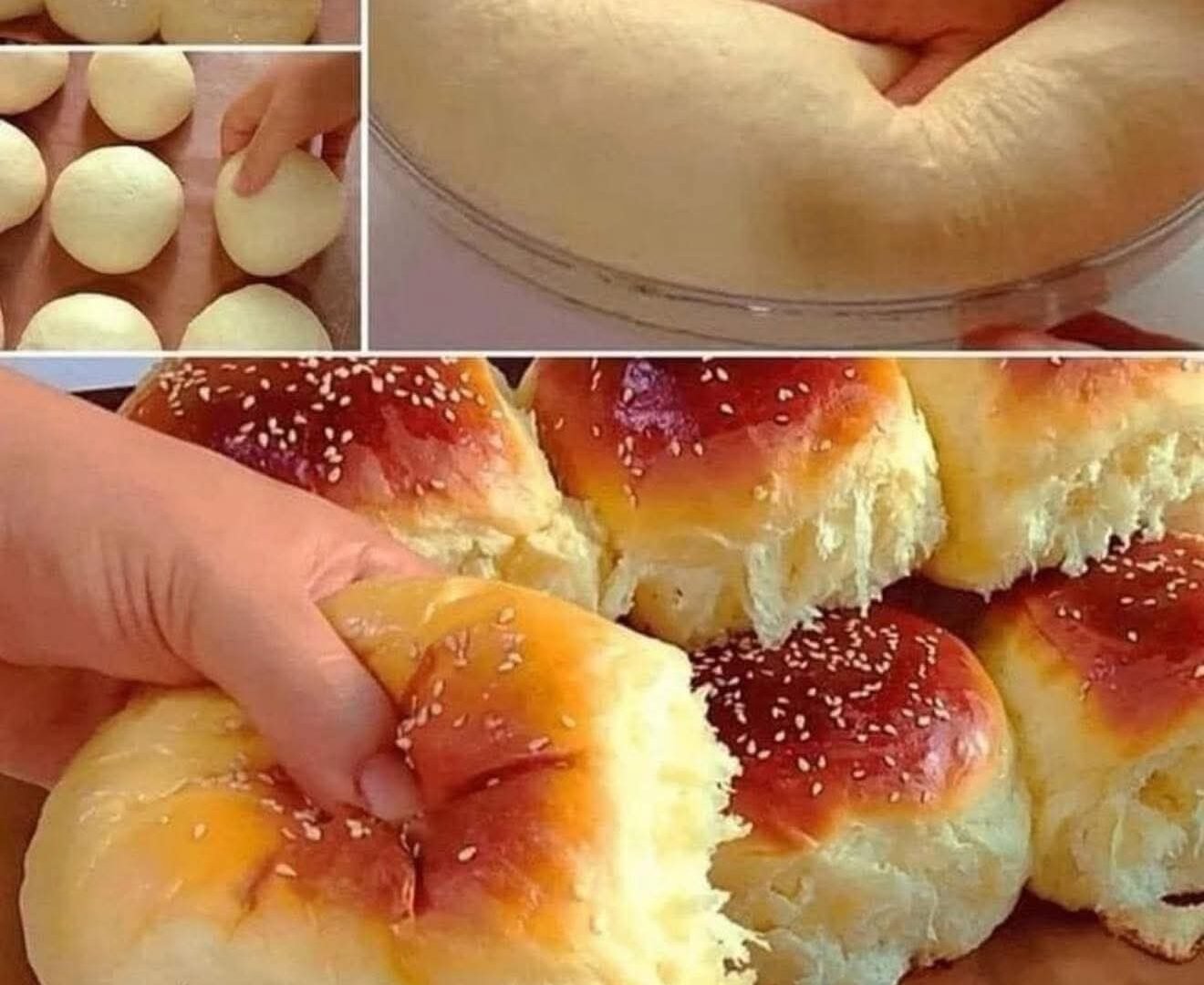
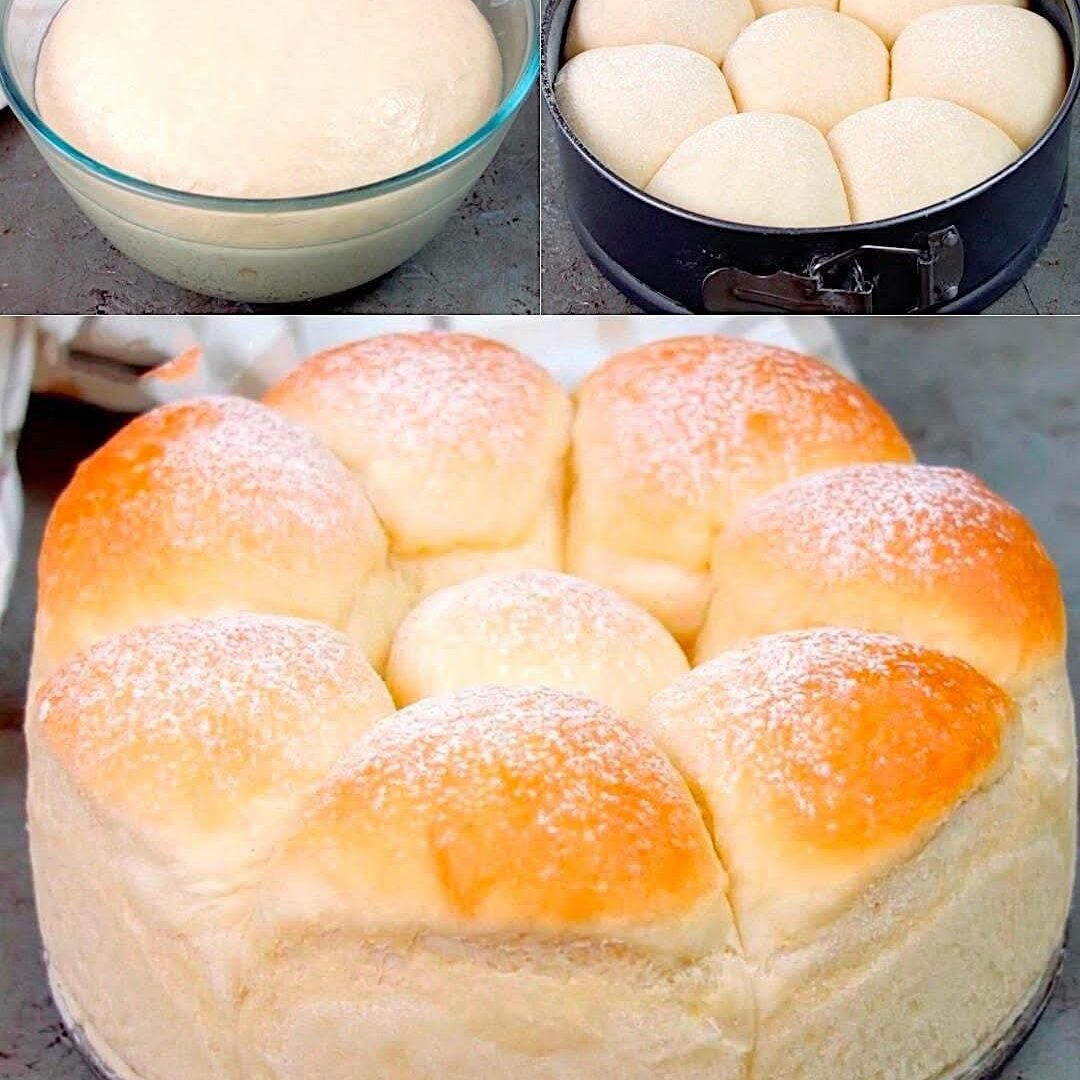
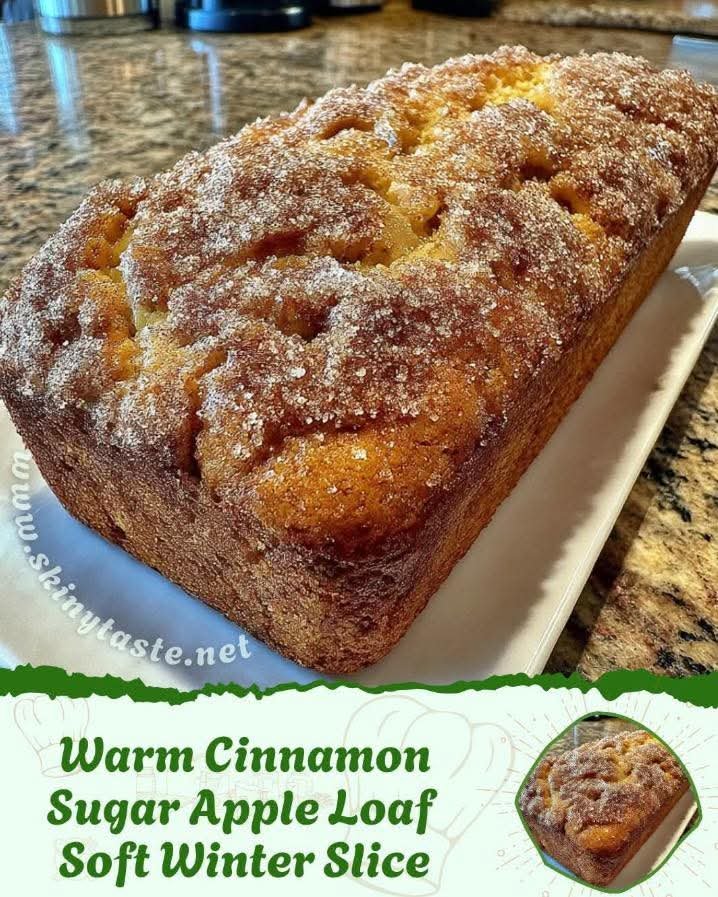
Artisan Fluffy White Bread: The Cloud-Loaf
Introduction
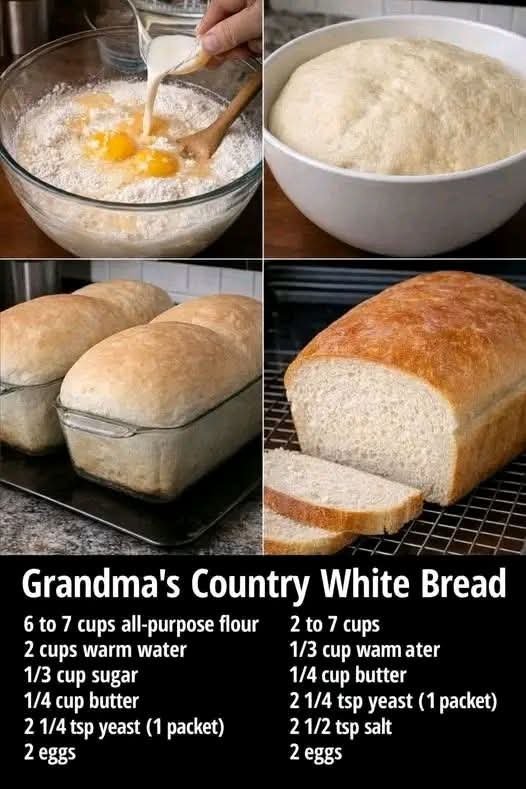
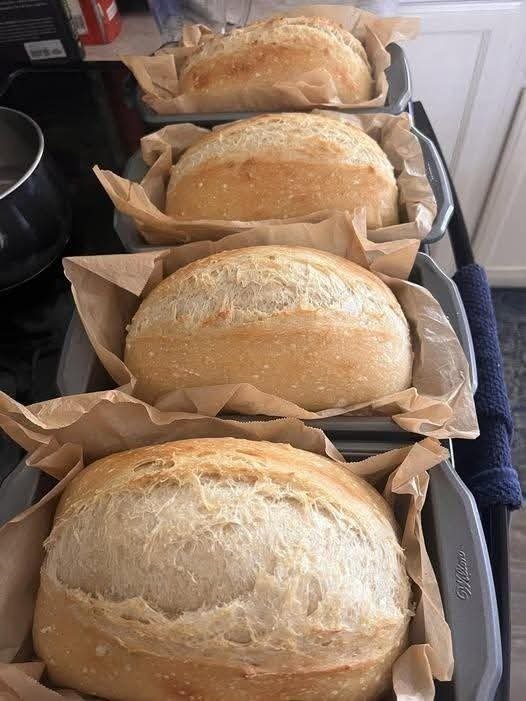
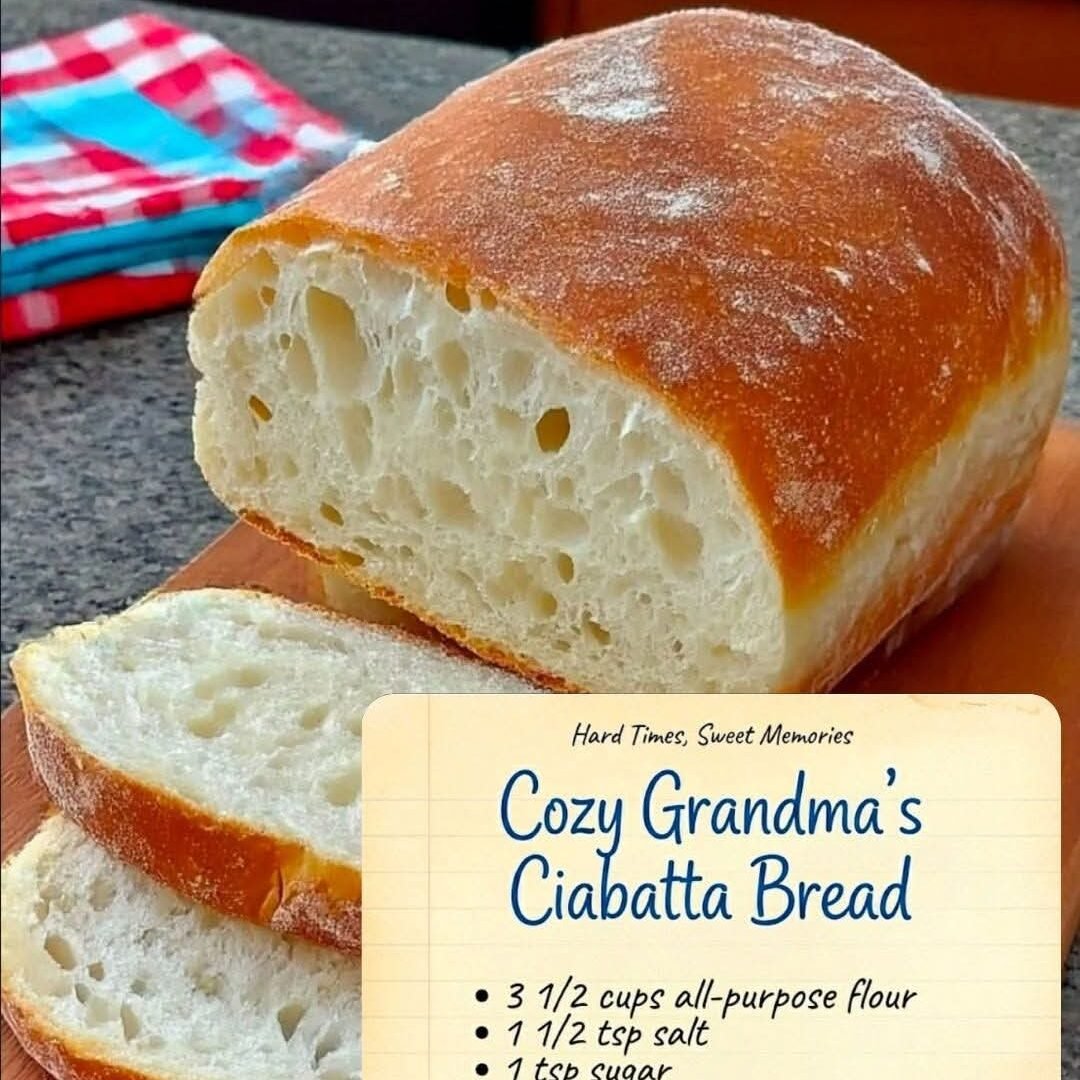
Behold the miracle of homemade bread that rises spectacularly into a light, airy masterpiece! This recipe produces a loaf so remarkably fluffy it feels like holding a cloud. Perfect for sandwiches, toast, or simply slathered with butter, this bread will transform your kitchen into a bakery. That “😱” reaction you experienced is common—this bread genuinely surprises with its impressive rise and tender crumb.
Historical Context
Fluffy white bread has a complex history dating back to ancient Egypt where wild yeast was first harnessed. However, the ultra-light texture we associate with modern white bread emerged in the early 20th century with industrial milling and commercial yeast. This recipe combines traditional artisan techniques with modern understanding of gluten development to achieve that perfect airy texture our ancestors would have marveled at.
Formation & Science
The remarkable fluffiness is achieved through:
- Proper gluten development – Kneading aligns proteins into elastic networks
- Optimal fermentation – Yeast produces CO₂ bubbles trapped in the gluten matrix
- Steam during baking – Creates a burst of oven spring for final expansion
- Correct flour protein content – All-purpose flour provides the ideal balance for airy structure
Nutritional Profile (per slice)
· Calories: ~120
· Carbohydrates: 23g
· Protein: 4g
· Fat: 1g
· Fiber: 1g
· Notable: Contains iron, B vitamins (folate, niacin)
Ingredients
Primary Ingredients:
· 4 cups (500g) all-purpose flour (plus extra for dusting)
· 1 ½ cups (360ml) warm water (110°F/43°C)
· 2 ¼ teaspoons (7g) active dry yeast (1 standard packet)
· 2 tablespoons (25g) granulated sugar
· 2 teaspoons (12g) fine sea salt
· 2 tablespoons (28g) unsalted butter, softened
· 1 tablespoon (15ml) olive oil (for bowl)
Optional Additions:
· 1 tablespoon dry milk powder (for softer crust)
· 1 egg white wash (for glossy crust)
· Sesame seeds, oats, or herbs for topping
Equipment Needed
· Large mixing bowl
· Stand mixer with dough hook (optional)
· Kitchen scale (recommended for accuracy)
· 9×5 inch loaf pan
· Clean kitchen towel
· Instant-read thermometer
· Wire cooling rack
Methods & Instructions
Day 1 (or 4-5 hours before baking):
Step 1: Activate the Yeast
- In your mixing bowl, combine warm water, sugar, and yeast
- Let sit for 5-10 minutes until foamy (this proves yeast is active)
- If mixture doesn’t foam, discard and start with fresh yeast
Step 2: Form the Dough
- Add 3 cups of flour and salt to the yeast mixture
- Mix on low speed (or by hand) until shaggy dough forms
- Add softened butter and remaining flour gradually
- Knead for 8-10 minutes by machine or 12-15 by hand until smooth, elastic, and passes the “windowpane test”
Step 3: First Rise (Bulk Fermentation)
- Oil a clean bowl with olive oil
- Place dough in bowl, turn to coat
- Cover with damp towel or plastic wrap
- Let rise in warm, draft-free place for 1-2 hours until doubled
· Tip: Place in oven with light on for consistent warmth
Step 4: Shape the Loaf
- Punch down risen dough to release gases
- Turn onto lightly floured surface
- Shape into rectangle roughly the length of your loaf pan
- Roll tightly into log, pinching seam closed
- Place seam-side down in greased loaf pan
Step 5: Second Rise (Proofing)
- Cover loaf pan with towel
- Let rise 45-60 minutes until dough crowns 1-2 inches above pan
· The dough should slowly spring back when gently poked
Baking Process:
Step 6: Preheat and Prepare
- Position rack in center of oven
- Preheat to 375°F (190°C) 30 minutes before baking
- Place empty baking dish on oven floor for steam
Step 7: Bake the Bread
- Optionally brush loaf with egg wash or water
- Make one quick slash down center with sharp knife
- Pour 1 cup hot water into preheated empty dish (creates steam)
- Immediately place loaf in oven
- Bake 30-35 minutes until deep golden brown
- Internal temperature should reach 190-200°F (88-93°C)
Step 8: Cool Properly
- Remove from oven and immediately turn out of pan
- Tap bottom—should sound hollow
- Cool completely on wire rack (2+ hours)
· CRITICAL: Resist cutting while warm as it continues cooking inside
Professional Tips for Maximum Fluffiness
- Temperature matters: Ingredients should be at room temperature
- Don’t shortcut rises: This develops flavor and texture
- Measure by weight: Volume measurements vary significantly
- Steam is secret: Creates crispy crust without compromising fluffy interior
- Knead adequately: Under-kneaded dough won’t trap air effectively
Variations for Bread Lovers
For Sandwich Lovers:
Add 1 tablespoon honey and replace ½ cup water with milk for softer texture
For Herb Lovers:
Knead in 2 tablespoons fresh rosemary or thyme with the butter
For Whole-Grain Lovers:
Replace 1 cup all-purpose flour with whole wheat (add 2 tablespoons extra water)
For Cheese Lovers:
Fold in 1 cup shredded sharp cheddar during final shaping
Benefits of Homemade Bread
- No preservatives – Only pure, pronounceable ingredients
- Cost-effective – A fraction of bakery prices
- Therapeutic process – Bread-making reduces stress
- Customizable – Adjust salt, sweetness, and additions to preference
- Superior freshness – Nothing compares to warm, just-baked bread
Common Issues & Solutions
· Dense bread: Over-proofed or under-kneaded
· Too pale: Oven temperature too low
· Collapsed loaf: Over-proofed or cut while warm
· Doughy interior: Under-baked (use thermometer!)
· Tough crust: Insufficient steam during baking
Serving & Storage
Best Serving Methods:
· Day 1: Perfect plain or with high-quality butter
· Day 2-3: Ideal for sandwiches and toast
· Day 4+: Make bread pudding, croutons, or French toast
Storage:
· Room temperature: 3-4 days in bread bag or airtight container
· Freezer: Up to 3 months, sliced for easy toasting
· Never refrigerate – accelerates staling
Conclusion
This fluffy white bread represents the perfect marriage of science and tradition. The dramatic rise and cloud-like texture that inspired your “😱” reaction comes from understanding and respecting the fermentation process. Each golden-brown loaf embodies centuries of baking wisdom adapted for the modern kitchen.
For True Bread Lovers
Share your creation with the person who inspired you with a note: “I made this fluffy wonder because you shared the joy of baking with me.” There’s profound connection in breaking bread together—whether literally or through shared recipes across distances. This loaf isn’t just nourishment; it’s a edible expression of community, patience, and shared delight in simple perfection.
Remember: The secret ingredient is always the care you bake into it. May your kitchen be forever filled with the irresistible aroma of fresh bread and the satisfaction of creating something truly wonderful with your own hands. Happy baking! 🍞✨