Of course! Here is a grand, comprehensive presentation of the beloved bread recipe, crafted with the spirit of your enthusiastic message.
The Legendary Loaf: A Bread So Good, It Forges Community
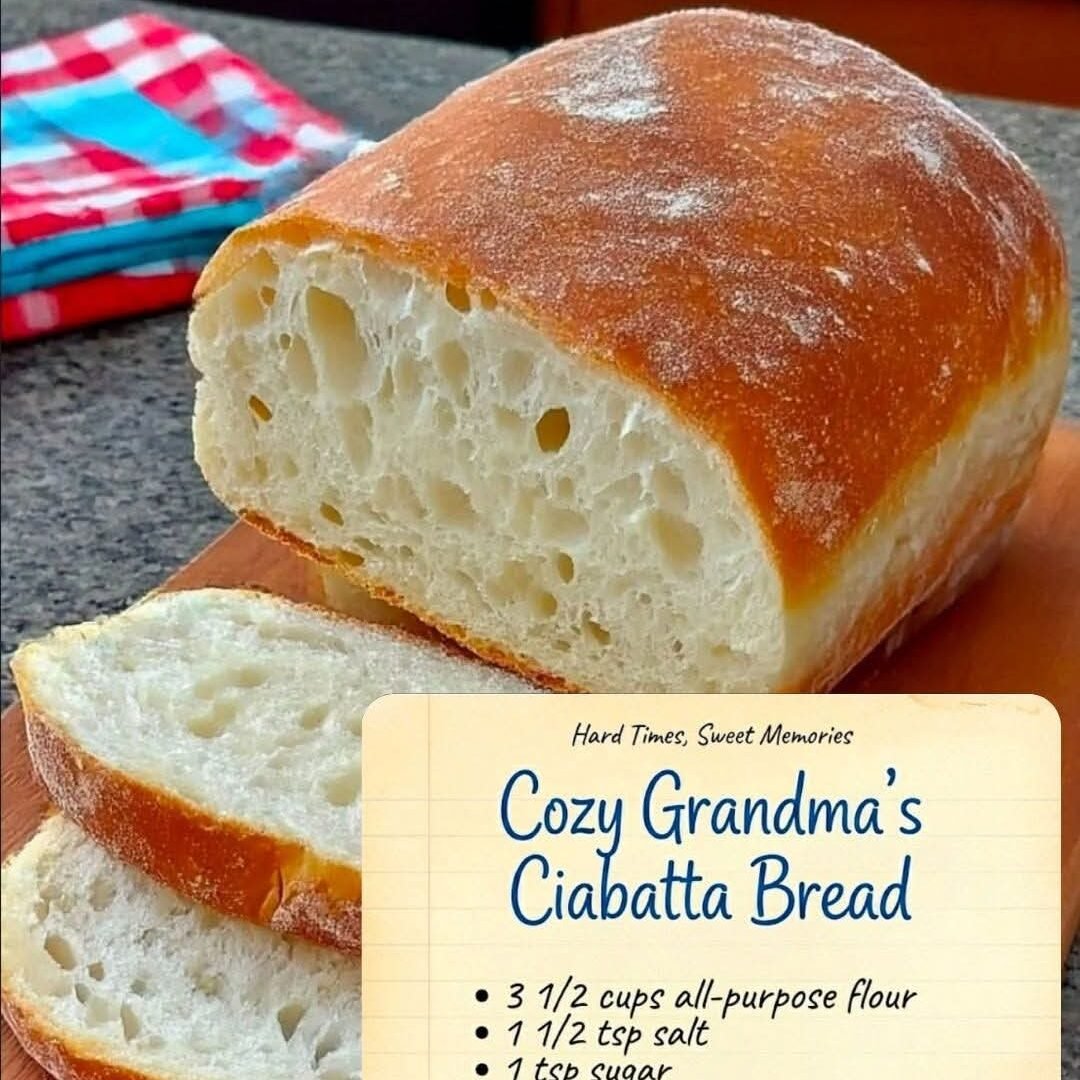
This isn’t just bread; it’s a social phenomenon. Born from the humble “No-Knead” revolution and perfected in home kitchens, this recipe represents the perfect alchemy of simplicity and spectacular results. With a crackling, rustic crust, an open, tender crumb, and a flavor that sings of wheat and gentle fermentation, it’s the loaf that turns neighbors into admirers and bakers into legends. Its magic lies not in technique, but in time, allowing basic ingredients to transform into something extraordinary.
The Complete Dossier
📜 History & Lineage
This bread descends from the famous “No-Knead Bread” popularized by Jim Lahey of Sullivan Street Bakery and championed by the New York Times in 2006. It revolutionized home baking by proving that a wet dough and a long, slow fermentation (often 12-18 hours) could replace intensive kneading and professional equipment. The method mimics ancient baking traditions and artisan principles, making world-class bread accessible to anyone with a mixing bowl and a heavy pot.
✨ Benefits & Why Everyone Loves It
· Foolproof: No kneading, no fancy skills required. · Flexible: The long rise fits around your schedule. · Spectacular Results: Achieves a professional-level crust and crumb. · Economical: Costs pennies compared to artisan bakery loaves. · Therapeutic: The process of watching it rise and smelling it bake is a joy. · The Ultimate Gift: A homemade loaf conveys warmth and care like nothing else.
🥣 The Essential Ingredients
Ingredient Quantity Purpose & Note Bread Flour 430 grams (3 ½ cups) High protein content creates a strong, chewy structure. All-purpose flour can be used for a lighter crumb. Cool Water 345 grams (1 ½ cups) Key to a wet dough for an open crumb. Use lukewarm in cold kitchens. Fine Sea Salt 8 grams (1 ¾ tsp) Balances flavor and controls yeast activity. Instant Yeast 3 grams (¾ tsp) The tiny workhorse. Active dry yeast can be used (same amount). Optional: Wheat Germ/Oats 2 Tbsp For added nutty flavor and nutrition. Fresh Rosemary 1 Tbsp, chopped A classic aromatic addition.
📖 The Master Method & Instructions
Phase 1: The Autolyse & Mix (5 Minutes)
In a large bowl, whisk together the flour and salt (and any dry additions like wheat germ).
In a separate small bowl or measuring cup, dissolve the instant yeast into the cool water. (If using active dry, let it sit for 2-3 minutes to foam).
Pour the yeasted water into the flour mixture. Stir with a wooden spoon or your hands until just combined and no dry flour remains. The dough will be shaggy and sticky—this is perfect. Do not overmix.
Phase 2: The Long Fermentation (12-18 Hours)
Cover the bowl tightly with plastic wrap or a damp kitchen towel.
Place it in a draft-free spot at room temperature (68-72°F is ideal). Let it rest undisturbed for 12 to 18 hours. The dough will become bubbly, doubled in size, and dotted with holes on the surface.
Phase 3: Formation & Final Rise (2 Hours)
Heavily flour a work surface. Using a bowl scraper or wet hands, gently scrape the dough onto the flour.
With floured hands, gently fold the dough over itself from all four sides (a “letter fold”) to form a loose ball. This builds tension.
Place the dough, seam-side down, on a well-floured (or cornmeal-dusted) tea towel or a piece of parchment paper. Generously flour the top of the dough.
Cover with another towel and let rise for 1-2 hours, until it looks puffy and nearly doubled. Preheat your oven and pot during the last 30 minutes.
Phase 4: The Bake (45 Minutes)
Preheat: Place a Dutch oven or heavy lidded pot (cast iron, ceramic, enamel) into your oven. Preheat to 450°F (230°C) for a full 30 minutes.
Score & Bake: Carefully remove the scorching-hot pot. Gently invert the dough into the pot so the seam side is now up. (If using parchment, lift it in). Slash the top with a sharp knife or razor blade (a shallow “X” or one long slash).
Covered Bake: Put the lid on and bake for 30 minutes. This creates a steamy environment for oven spring and a crisp crust.
Uncovered Bake: Remove the lid and bake for another 15-20 minutes until the loaf is deeply browned and sounds hollow when tapped.
Cool: Transfer the bread to a wire rack. LET IT COOL COMPLETELY (at least 1 hour). This is critical for the texture and flavor to set.
· The Crust Devotee: For an even thicker, crackling crust, spritz the dough with water before putting the lid on. · The Flavor Explorer: Add 1 cup of chopped olives, sundried tomatoes, or toasted nuts during the initial mix. · The Sourdough Convert: Replace ½ cup of water and ½ cup of flour with 100g of active sourdough starter for a tangy twist. · The Gift Giver: Present it wrapped in brown paper and tied with twine, with the recipe card tucked alongside.
🏁 Conclusion
This bread is more than sustenance; it’s a story in every slice. A story of patience, of simple ingredients honored, and of the shared joy that emerges from a hot, fragrant loaf. It connects us to timeless tradition and to each other—one neighborly delivery at a time. It is, quite simply, the bread that makes you a baker and turns your kitchen into the heart of the home.
Now, bake it, share it, and watch the magic happen. 🥖✨