The Grand Debate: Prime Rib – A Culinary Crown Jewel
Introduction
Prime rib stands as a regal centerpiece of celebratory feasts, a cut that sparks passionate debate between rare enthusiasts and well-done devotees. This majestic roast, with its rich marbling and beefy grandeur, is more than just a meal—it’s an experience. The method described here—a high-heat sear followed by gentle roasting—aims to create a perfect gradient: a savory, seasoned crust giving way to a juicy, rosy interior, pleasing a spectrum of preferences. Let’s delve into the art, science, and history of preparing this iconic dish.
The Complete Prime Rib Dossier
Ingredients
· The Centerpiece: · 1 prime rib roast (standing rib roast), 4–6 lbs, bones 7–11 (bone-in preferred for flavor) · Note: “Prime” refers to the USDA grade; a “Choice” grade rib roast is also excellent. · The Flavor Foundation: · 2 tbsp olive oil · 2 tbsp unsalted butter, softened · 4 cloves garlic, minced · 1 tbsp fresh rosemary, finely chopped · 1 tbsp fresh thyme leaves · 2 tsp kosher salt (1 tsp per pound of meat) · 1 tsp freshly cracked black pepper · For the Au Jus (Optional but Recommended): · 1 cup red wine or beef broth · 1 cup beef stock · Pan drippings from the roast
Historical Roots
Prime rib’s story is intertwined with English tradition. Known as the “standing rib roast,” it was historically cooked before a roaring fire in great manor houses. The ribs would stand upright in a special roasting rack, allowing fat to baste the meat as it rendered. This technique migrated to America, becoming the star of luxury hotel dining rooms and holiday tables, symbolizing abundance and celebration.
Step-by-Step Method & Instructions
Phase 1: Preparation & Formation (The Day Before/Day Of)
Unwrap & Dry: Remove the roast from packaging 1-2 hours before cooking. Pat it extremely dry with paper towels. A dry surface is critical for a good crust.
Season Liberally: Mix salt and pepper. Rub it generously on all sides of the roast. For best results, do this 24 hours in advance, place the uncovered roast on a rack in the fridge. This “dry brines” the meat, seasoning it deeply and drying the exterior further.
Bring to Temperature: Let the roast sit at room temperature for 1.5-2 hours before cooking. A cold roast will cook unevenly.
Phase 2: The Roasting (The Main Event)
Preheat: Position oven rack in the center. Preheat oven to 450°F (230°C).
Create the Paste: In a small bowl, mix softened butter, olive oil, minced garlic, rosemary, and thyme into a paste.
Season & Sear: Rub the herb-garlic paste all over the roast. Place the roast bone-side down in a heavy roasting pan (bones act as a natural rack).
The Blast of Heat: Roast at 450°F for 15 minutes. This initial blast creates the flavorful, browned crust.
The Gentle Roast: Without opening the door, reduce oven temperature to 325°F (165°C). Continue roasting until the desired internal temperature is reached. · For Rare Lovers: 120-125°F (49-52°C) – Approximately 15-17 minutes per lb. · For Medium-Rare (The Chef’s Sweet Spot): 130-135°F (54-57°C) – Approximately 17-20 minutes per lb. · For Medium/Well-Done Folks: 140°F+ (60°C+) – 20+ minutes per lb. · ⚠️ Crucial: Use a reliable meat thermometer! Remove the roast 5-10 degrees BEFORE your target temp, as it will continue to rise (carryover cooking) while resting.
Phase 3: The Sacred Rest & Service
Rest: Transfer the roast to a cutting board, tent loosely with foil, and let it rest for at least 20-30 minutes. This allows juices to redistribute. Do not skip this!
Make Au Jus: While resting, place the roasting pan on the stovetop. Add wine/broth over medium heat, scraping up all the browned bits (fond). Strain and serve alongside.
Carve: Slice meat off the bone first, then slice against the grain into desired thickness.
Nutritional Profile & Benefits
Prime rib is a rich source of:
· High-Quality Protein: Essential for muscle maintenance and satiety. · Bioavailable Iron & Zinc: Crucial for oxygen transport and immune function. · B Vitamins (especially B12): Vital for energy metabolism and neurological health. · Conjugated Linoleic Acid (CLA): A fatty acid in grass-fed beef with potential anti-inflammatory properties.
Note: It is also high in saturated fat and calories. Enjoyment is about balance and portion—savoring a moderate serving as part of a celebratory meal.
The Great Divide: Lovers’ Perspectives
🏆 Team RARE (The Purists):
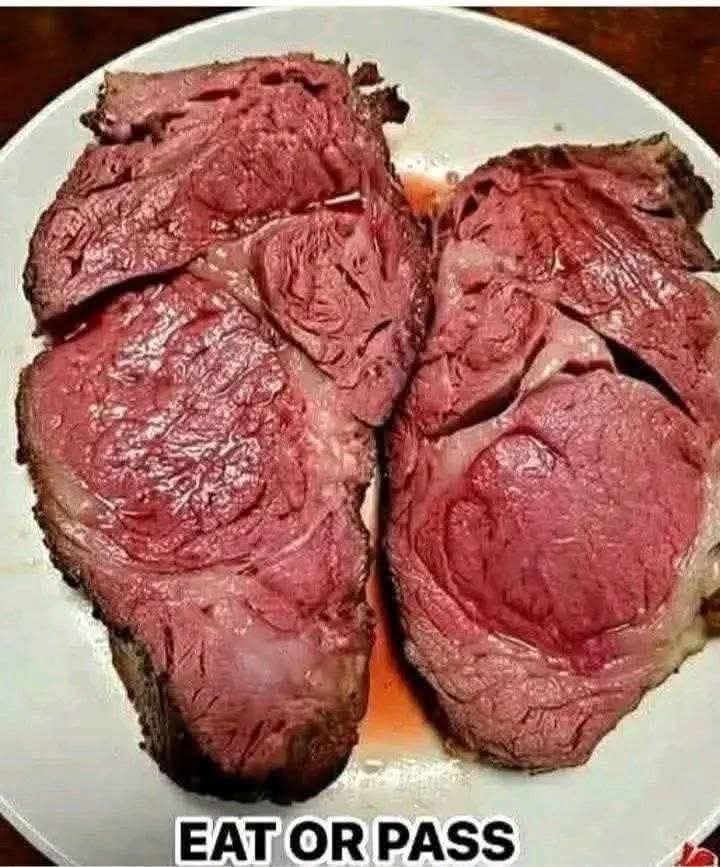
· Argument: “This is the only way to honor such a premium cut! The texture is buttery, the beef flavor is pure and clean, and the juices run gloriously red. Cooking it further ruins the delicate texture and dries out the precious intramuscular fat we paid for.” · Preferred Temp: 120-125°F. Cool, red center.
🔥 Team WELL-DONE (The Secured):
· Argument: “We appreciate a uniform texture and deep, browned flavor throughout. The ‘melt-in-your-mouth’ quality of fat is better rendered, and we prefer the savory, crust-like experience in every bite. It’s about personal comfort and taste.” · Preferred Temp: 145°F and above. Gray-brown throughout.
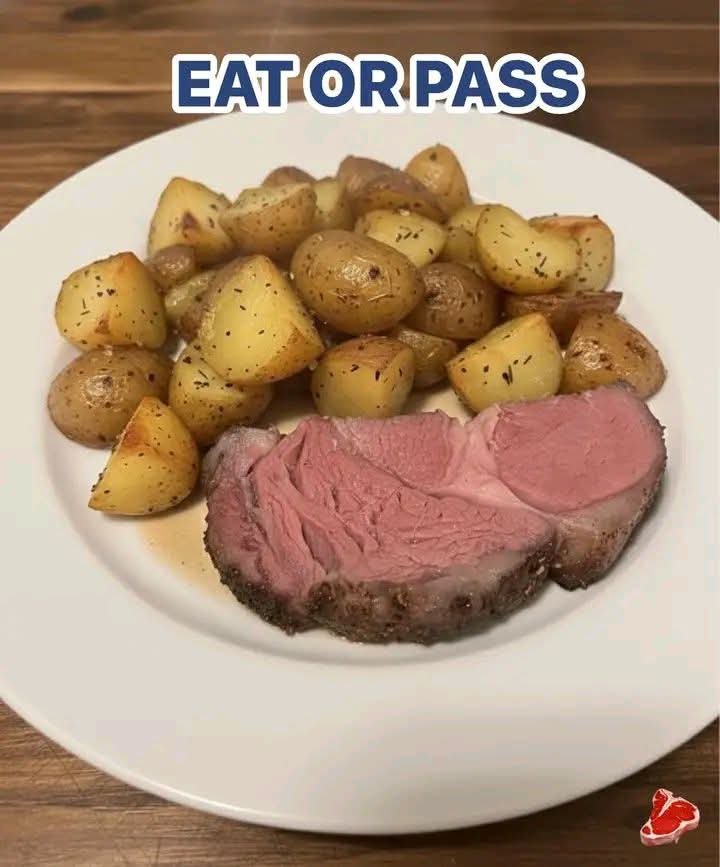
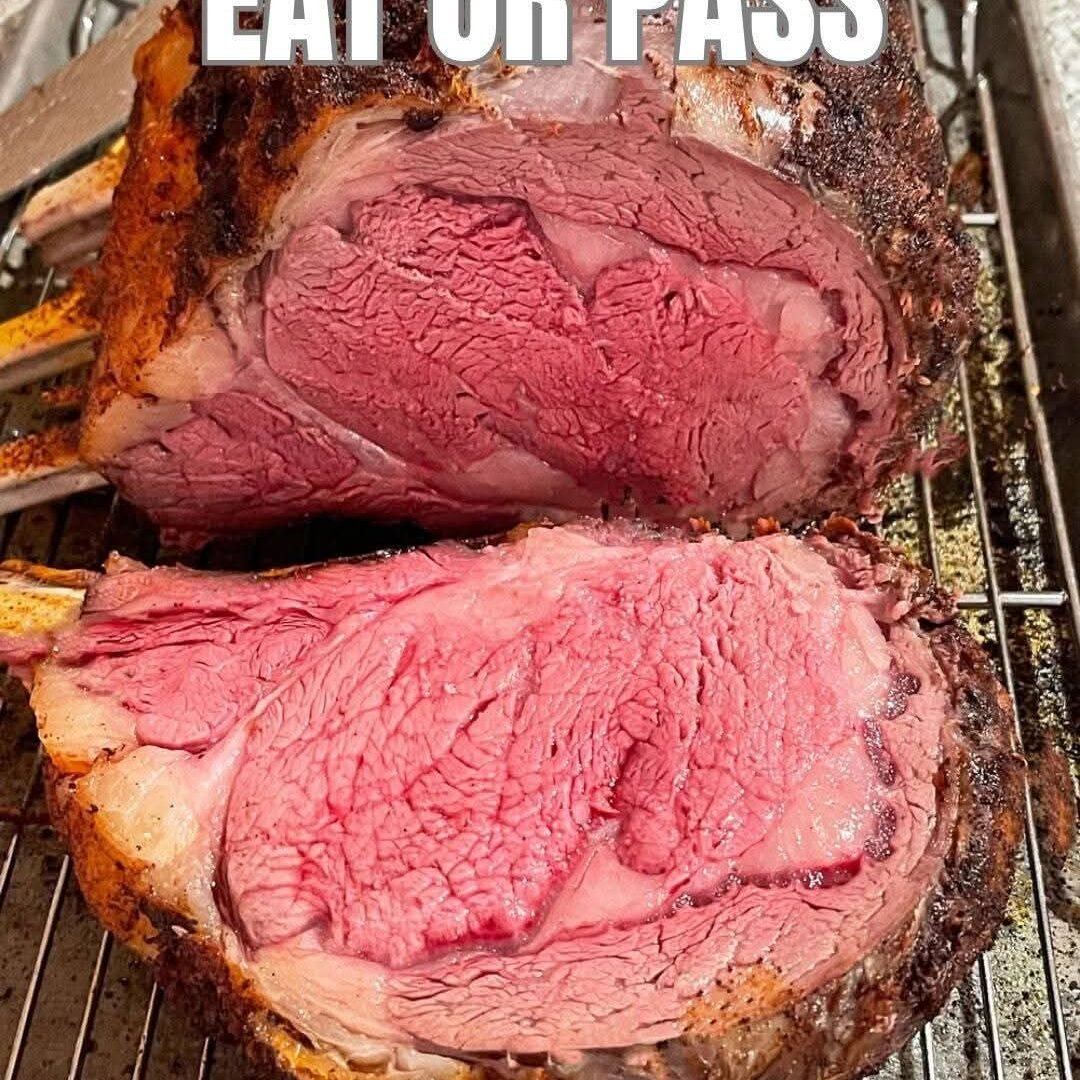
The Peacemaker Solution: Cook to Medium-Rare (130-135°F). This provides a wide “rainbow of doneness” from the well-done ends to the rare center after carving, allowing everyone to choose their slice. The cook gets the prized center cut.
Conclusion: The Verdict
So, to the original question: Prime rib cooked with a high-heat sear and low-temp roast to a perfect medium-rare…
RESOUNDING YAY.
This method is a triumph of culinary technique, maximizing flavor, texture, and juiciness. It respects the ingredient’s luxurious heritage while employing modern understanding of thermal dynamics. While the “rare vs. well-done” debate will rage eternally around dinner tables, this approach offers a beautiful compromise—a spectacular crust guarding a juicy, rosy interior that can satisfy a spectrum of guests.
The true beauty of prime rib lies in its ability to gather people, spark conversation, and create a shared, celebratory experience. Whether you’re a rare-loving purist or a well-done enthusiast, the communal joy of breaking (and carving) bread—or rather, beef—together is the ultimate goal. Cook it with care, respect the process, and enjoy every delicious, debated bite.