The Perfect Prime Rib Roast: A Culinary Celebration
Introduction
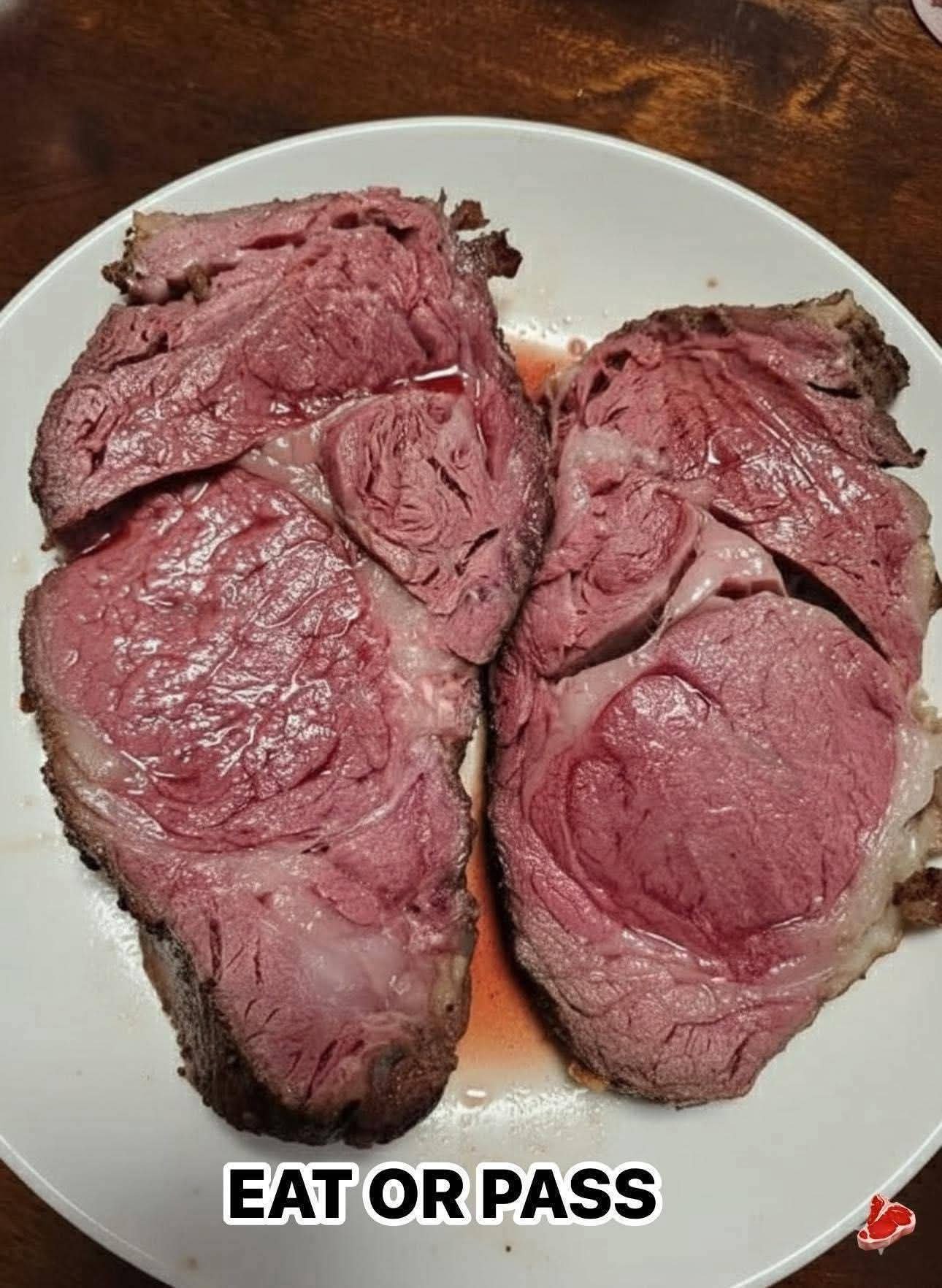
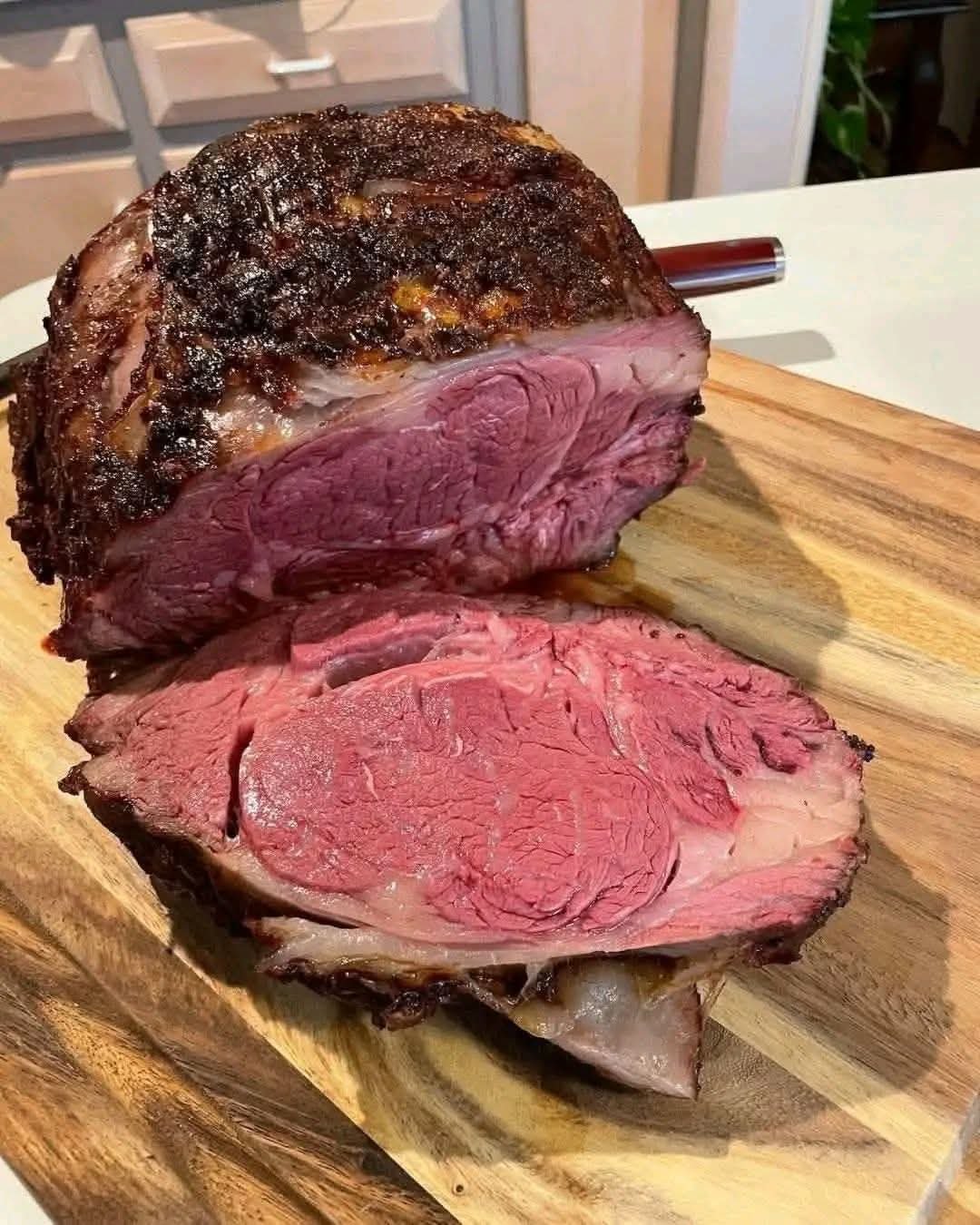
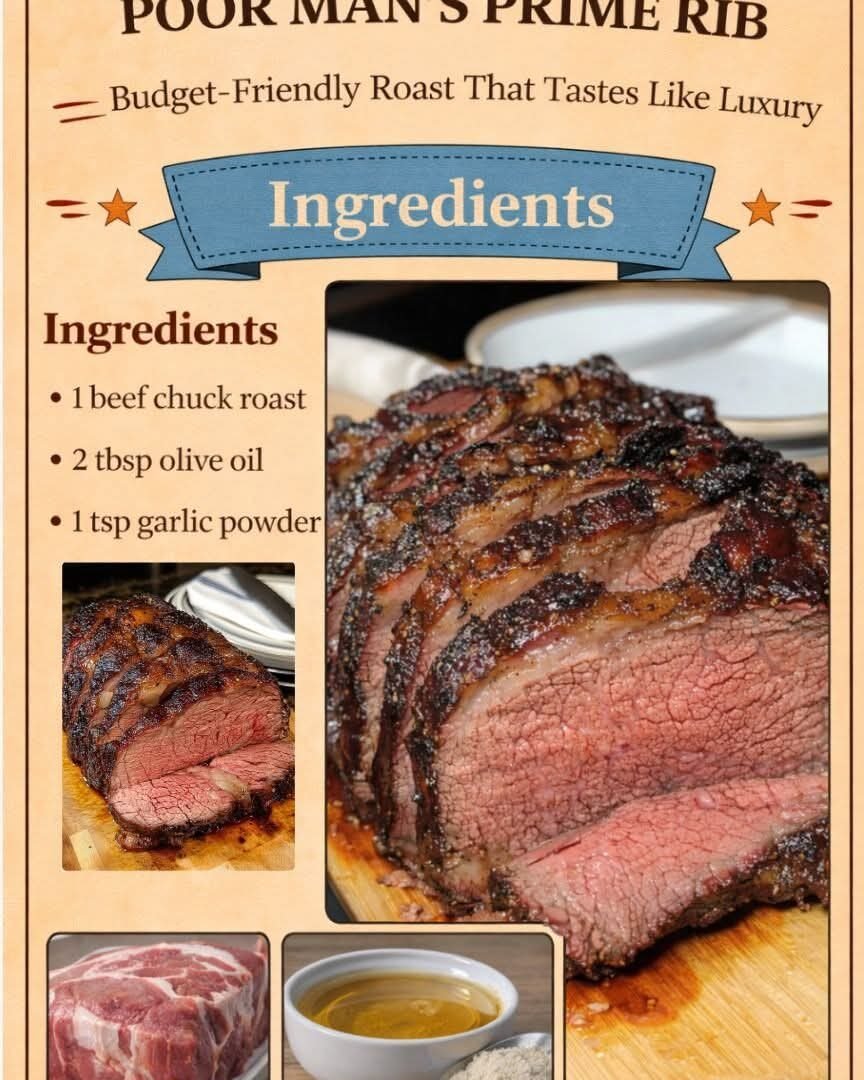
The prime rib roast stands as a crown jewel of celebratory cooking—a magnificent, succulent, and richly flavored centerpiece that commands attention at any holiday table or special gathering. This majestic cut, known for its marbling, tenderness, and depth of flavor, transforms a meal into an event. Cooking the perfect prime rib is both an art and a science, balancing a crisp, seasoned crust with a juicy, uniformly rosy interior. This comprehensive guide will walk you through everything from selecting the roast to carving it with confidence, ensuring you create a memorable masterpiece.
History & Cultural Significance
Prime rib, also known as a standing rib roast, has roots in English and American culinary traditions, often associated with grand feasts and Sunday dinners. The term “prime” historically referred to the USDA Prime grade, indicating superior marbling, though many excellent roasts are now sold under other grades. Its association with holidays like Christmas and gatherings stems from its impressive presentation and ability to feed a crowd in generous style. For centuries, roasting large cuts of meat over an open fire (and later in ovens) has been a symbol of hospitality, abundance, and celebration.
Benefits of Choosing Prime Rib
- Unmatched Flavor & Texture – The rib section is lightly worked, resulting in tender, well-marbled meat that bastes itself from within as it cooks.
- Feeds a Crowd – A single roast can elegantly serve multiple guests, simplifying entertaining.
- Impressive Presentation – A whole roasted prime rib makes a dramatic statement.
- Nutrient-Rich – Beef is an excellent source of complete protein, iron, zinc, and B vitamins.
- Leftover Potential – Extra meat makes exceptional sandwiches, hash, or beef-based soups.
Ingredients
· Prime Rib Roast: 1 (4–8 pounds, bone-in preferred for flavor and juiciness). Aim for about 1 pound (450g) per person with bone-in, or ¾ pound (340g) boneless.
· Kosher Salt: 1 tablespoon per pound of meat (for dry-brining).
· Coarsely Ground Black Pepper: 2–3 tablespoons.
· Garlic Powder: 1–2 tablespoons.
· Fresh Rosemary & Thyme: 2–3 tablespoons each, finely chopped (optional, but recommended).
· Olive Oil or Melted Butter: ¼ cup (to form a paste).
Optional for Au Jus:
· Beef broth, red wine, drippings from the pan, and a sprig of thyme.
Methods & Instructions
Phase 1: Preparation & Dry-Brining (Critical Step – 1 to 3 Days Ahead)
- Unwrap & Dry: Pat the roast thoroughly dry with paper towels.
- Salt Generously: Rub the entire surface (including bones if present) with kosher salt, using about 1 tablespoon per pound. This dry-brine draws out moisture, which then reabsorbs into the meat, seasoning it deeply and improving juiciness.
- Rest: Place the roast on a rack set over a baking sheet, uncovered, in the refrigerator for at least 24 hours, ideally 2-3 days. This air-dries the surface, which is key for a perfect crust.
Phase 2: Bringing to Temperature & Seasoning (Day of Cooking)
- Rest at Room Temp: Remove the roast from the refrigerator 3–4 hours before cooking. Let it sit on the counter to take the chill off. This promotes even cooking.
- Make the Herb Paste: Mix the black pepper, garlic powder, chopped herbs, and olive oil or melted butter into a thick paste.
- Season: Rub the paste all over the roast, covering every surface.
Phase 3: The High-Heat Reverse Sear Method (Recommended for Perfect Results)
- Preheat Oven: Heat your oven to a very high 450°F (230°C).
- Prepare Pan: Place the roast bone-side down (the bones act as a natural rack) in a large roasting pan.
- Initial Sear: Roast at 450°F for 15-20 minutes to sear and brown the exterior.
- Lower Heat & Cook: Without opening the oven, reduce the temperature to 250°F (120°C). Continue roasting until the internal temperature reaches your desired doneness.
· Use a Meat Thermometer! This is non-negotiable for precision.
· Temperature Guide (measured at the center of the roast):
· Rare: 120–125°F (49–52°C)
· Medium Rare: 130–135°F (54–57°C) Recommended for best flavor and texture
· Medium: 140–145°F (60–63°C)
· Approximate Time: 15-20 minutes per pound at 250°F after the initial sear.
Phase 4: The Crucial Rest
- Tent & Rest: Once the target temperature is reached, remove the roast from the oven. Tent loosely with foil and let it rest for at least 30-45 minutes, or up to an hour for larger roasts. The internal temperature will rise 5-10°F during this time (carryover cooking), and the juices will redistribute. Do not skip this step.
Phase 5: Carving & Serving
- Make Au Jus: While the meat rests, place the roasting pan on the stove over medium heat. Add a cup of beef broth or red wine, scrape up the browned bits (fond), and simmer for 5-10 minutes. Strain and serve alongside.
- Carve: For bone-in roasts, slice along the bones to remove them first, then turn the roast flat-side down and slice across the grain into desired thickness. For boneless, simply slice across the grain.
Nutritional Information (Per 4oz serving of cooked lean meat, approximate)
· Calories: ~310 kcal
· Protein: ~28g
· Fat: ~22g (with saturated fat varying by grade and trim)
· Iron: ~15% of Daily Value (DV)
· Zinc: ~40% of DV
· Vitamin B12: ~60% of DV
Note: Nutritional values are significantly impacted by the grade of beef (Prime, Choice, Select) and the amount of fat trimmed and consumed.
For the Prime Rib Lovers
This recipe is for those who view cooking as an act of love and celebration. It’s for the home chef who finds joy in the process—the ritual of seasoning, the anticipation as aromas fill the house, and the shared moment of admiration when the roast is presented. The reverse sear method, while requiring patience, is a game-changer for lovers of edge-to-edge perfect doneness. Embrace the process, trust the thermometer, and prepare for accolades.
Conclusion
The perfect prime rib roast is more than just a meal; it is an experience. It intertwines simple, quality ingredients with thoughtful technique and a touch of patience. By understanding the importance of dry-brining, employing the reverse-sear method, and honoring the essential rest, you elevate this classic cut to its ultimate expression. Whether for a holiday feast or a milestone dinner, a perfectly cooked prime rib creates a sense of occasion, warmth, and shared delight that lingers long after the last bite. So gather your loved ones, slice into that juicy, flavorful masterpiece, and savor the rewards of your culinary effort.