The Ultimate Olive Loaf Sandwich: A Savory Classic Reimagined
Introduction
The Olive Loaf Sandwich is a nostalgic delicacy, often found in classic delicatessens and home kitchens alike. It elevates simple, flavorful olive loaf—a garlicky, spiced bologna-style loaf studded with bright green and red pimiento-stuffed olives—into a harmonious and satisfying meal. This recipe goes beyond the basics, offering a deeper look at how to build a truly exceptional sandwich, its history, and its enduring appeal.
Ingredients
For the Sandwich (One Serving):
· 2 slices high-quality sandwich bread (white, wheat, sourdough, or rye)
· 4–5 slices deli-fresh olive loaf
· 2 tablespoons mayonnaise (preferably Duke’s or Hellmann’s)
· 3–4 thin rings of red onion
· 2–3 leaves of crisp green leaf or butter lettuce
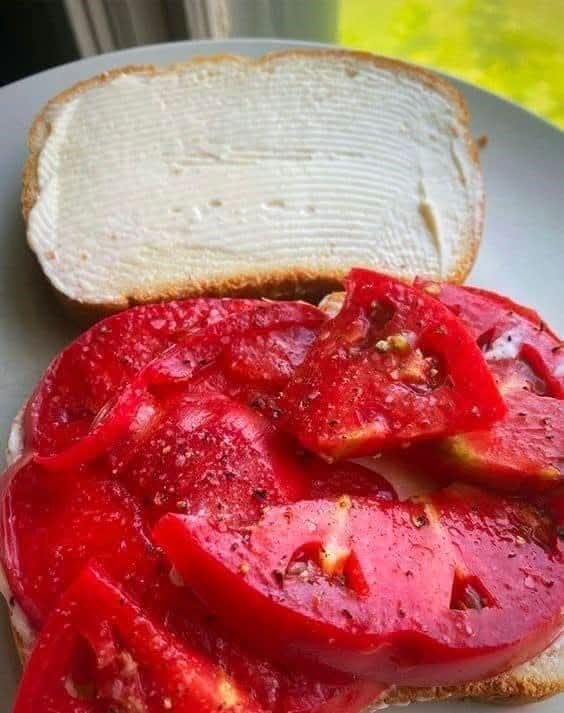
· 1–2 thin slices of ripe tomato (optional, but recommended)
· 1 teaspoon softened butter or olive oil (for toasting)
For an Elevated “House-Made” Olive Loaf Spread (Optional):
· 4 slices olive loaf, finely chopped or pulsed in a food processor
· 3 tablespoons cream cheese, softened
· 1 tablespoon mayonnaise
· 1 teaspoon grated yellow onion
· A pinch of black pepper
History & Lore
Olive loaf finds its roots in the European tradition of mortadella, a large Italian sausage from Bologna containing pistachios and, occasionally, olives. German fleischwurst also shares similarities. In post-war America, midwestern and southern meat processors created “olive loaf” as an affordable, shelf-stable luncheon meat. Its striking appearance—the colorful olive specks suspended in pink meat—and unique, salty flavor made it a lunchbox staple by the 1950s and 60s. The sandwich represents a chapter in American comfort food, a testament to the era’s love for inventive, preserved meats.
Nutritional Information (Per Sandwich, Approximate)
· Calories: 450-550 kcal
· Protein: 18-22g
· Fat: 28-35g (Saturated Fat: 8-10g)
· Carbohydrates: 30-35g
· Fiber: 2-4g
· Sodium: 1300-1600mg (Note: This is high due to processed meat. Use fresh ingredients to control sodium.)
· Key Nutrients: Provides B vitamins (B12, Niacin), Selenium, and some Iron.
Formation & Assembly: The Architecture of a Great Sandwich
The key is balance and texture.
- Foundation (Bread): Provides structure and carbs.
- Moisture Barrier (Mayo/Spread): Protects bread from sogginess.
- Salty, Savory Star (Olive Loaf): The core flavor profile.
- Crisp & Fresh (Lettuce, Onion, Tomato): Adds crunch, acidity, and cuts richness.
- Final Cap (Bread): Completes the structure.
This layered formation ensures every bite contains all elements in harmony.
Step-by-Step Instructions & Methods
Method 1: The Classic Cold Sandwich
- Prepare Ingredients: Slice the red onion into thin rings. Wash and dry lettuce leaves. Slice tomato if using.
- Toast (Optional but Recommended): Lightly butter the outer sides of each bread slice. Toast in a skillet over medium heat until golden brown, or use a toaster. Let cool slightly.
- Build the Spread: On the inner side of both bread slices, spread an even layer of mayonnaise (about 1 tbsp per slice).
- Layer with Care: On the bottom slice, place the lettuce flat. Add the olive loaf slices, folding them slightly for height and texture. Add the tomato slices (if using), then the red onion rings.
- Cap & Press: Place the top slice of bread, mayo-side down, onto the stack. Gently press the sandwich together with the palm of your hand.
- Final Touch: Slice diagonally for maximum surface area and visual appeal. Serve immediately.
Method 2: The Toasted “Olive Melt” (Hot Method)
- Follow steps 1-3 from the Classic method.
- Assemble the sandwich with all cold ingredients.
- Grill: Heat a clean skillet or panini press over medium-low heat. Place the sandwich in the skillet. Cook for 3-4 minutes per side, pressing down lightly, until the bread is deeply golden and the interior is warm. The olive loaf will soften slightly, and the cheese from the optional spread will melt.
Method 3: The Elevated Spread (Make-Ahead Option)
- In a small bowl, combine the finely chopped olive loaf, softened cream cheese, mayonnaise, grated onion, and pepper.
- Mix until well combined. This spread can be used in place of plain mayonnaise for a more intense, creamy olive loaf flavor in either sandwich method.
Benefits & Appeal
· Convenience: Quick to assemble with readily available ingredients.
· Flavor Complexity: Offers a unique combination of salty, savory, tangy, and fresh notes.
· Texture Play: The soft bread and meat contrast perfectly with crisp lettuce and onion.
· Customizable: A perfect base for adding cheeses (like provolone or swiss), different condiments (spicy mustard, horseradish), or pickles.
· Comfort Food: Evokes a sense of nostalgia and simple pleasure.
For the Lovers of This Sandwich
If you are a devoted fan, consider these pro-tips:
· Source Quality Loaf: Seek it out from a local butcher or high-quality deli counter for better flavor and texture.
· Upgrade Your Bread: A sturdy, bakery-fresh rye or seeded bread stands up beautifully.
· Add a Pickle Spear: The necessary acidic crunch on the side is non-negotiable for many.
· Experiment: Add a slice of sharp cheddar, a smear of whole-grain mustard, or a few pepperoncini rings.
· Pairing: It pairs perfectly with a classic dill pickle spear, kettle-cooked potato chips, and an ice-cold cola or iced tea.
Conclusion
The Olive Loaf Sandwich is more than just lunch meat between two slices of bread. It is a study in balanced, rustic flavors and textures—a humble yet deeply satisfying culinary icon. From its European-inspired origins to its place in American lunch culture, it endures because of its distinctive taste and straightforward charm. Whether you enjoy it cold and classic or warm and toasted, building it with care and quality ingredients transforms it from a simple snack into a genuinely delightful meal. So, for your next lunch, embrace this classic and create your own perfect bite of savory nostalgia.